
Friday began with more paper presentations, this round featuring talks centered around invertebrate conservation and observations from the field. One presentation of notable interest to me was Brandon Quinby of Purdue University’s Evaluation of the Vertebrate Carrion Resources Used by the American Burying Beetle (Nicrophorus americanus). Isotope analysis of various carrion beetle species on Nantucket revealed the different dead animals that they favored, an important food source being farm-raised quail that were introduced onto the island.
After lunch, I attended a workshop led by retired public school teacher Anne Baxter-Johnson called If You Would Only Look Them in the Eyes. The focus was specifically on spiders, and how to address the knee-jerk disgust/fear response held by many children and adults. With a couple dozen people in attendance, most of them women, it was particularly interesting to see what sort of methods were used at their institutions when working with spiders and the public.
Because I thought that the information we discussed was so important, I’ll list some of it here.
- Be confident around your spider; show love, respect, and trust for the animal.
- Draw similarities between the spider and the guest(s).
- Acknowledge fear and disgust, and counter with facts and positives.
- Ask observation questions.
- Repeat cool catch words (“urticating hairs” and “chelicerae”).
- Tell positive stories.
- Add an activity or interaction that is on the guest’s own terms — they don’t have to hold or touch the spider; they can simply say hello, or take a closer look.
- Dispel urban legends and myths, but avoid calling the guest a liar.
- Avoid sensationalized books and other reading materials, and avoid delivery that instills fear — words like “ferocious”, “fearsome”, and “creepy crawlies” do little good.
- Praise guests for every level of comfort shown, whether it’s holding the spider or being in the same room as the spider. Fearlessness does not happen all at once!
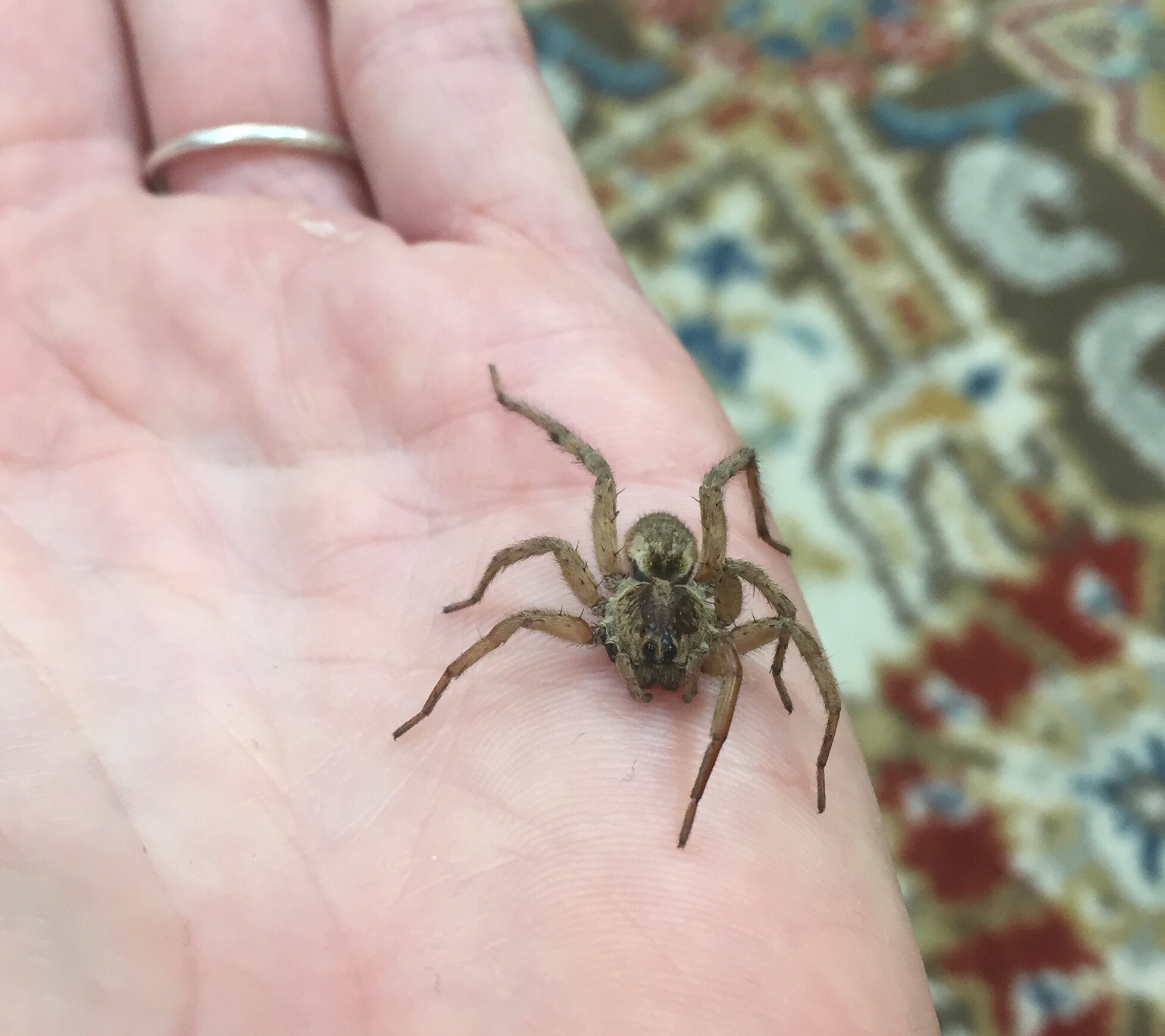
Toward the end of the session, we held wolf spiders and let them crawl across our hands. Most of those in attendance had ranked their fear of spiders at zero, but there were a few folks who were a little more wary. It’s hard to describe just how nice it was to be surrounded by people who love and respect arachnids!
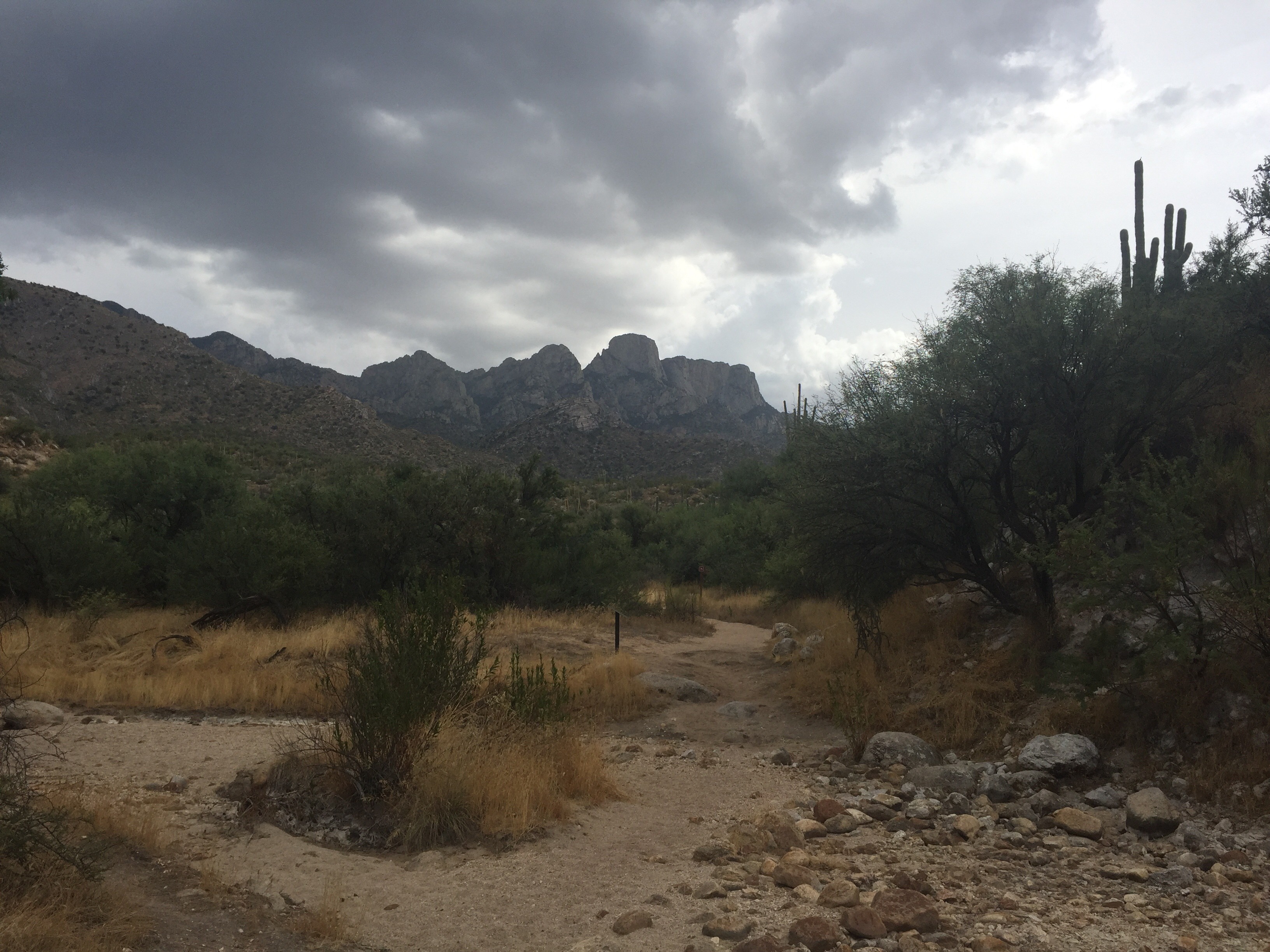
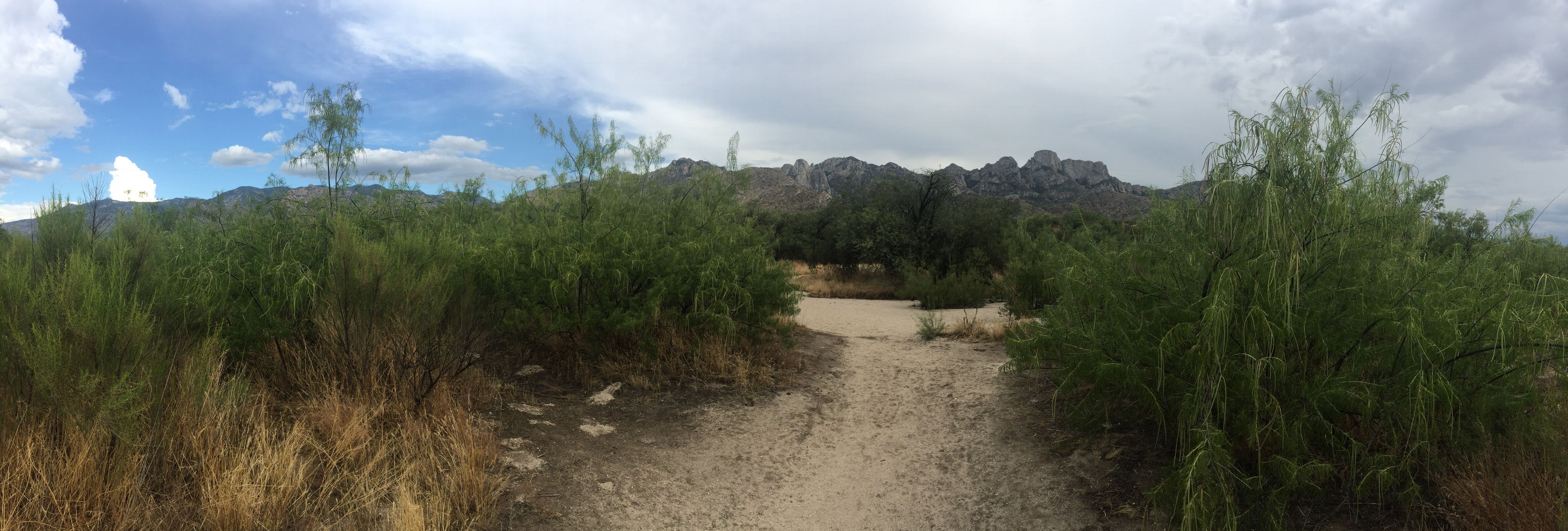
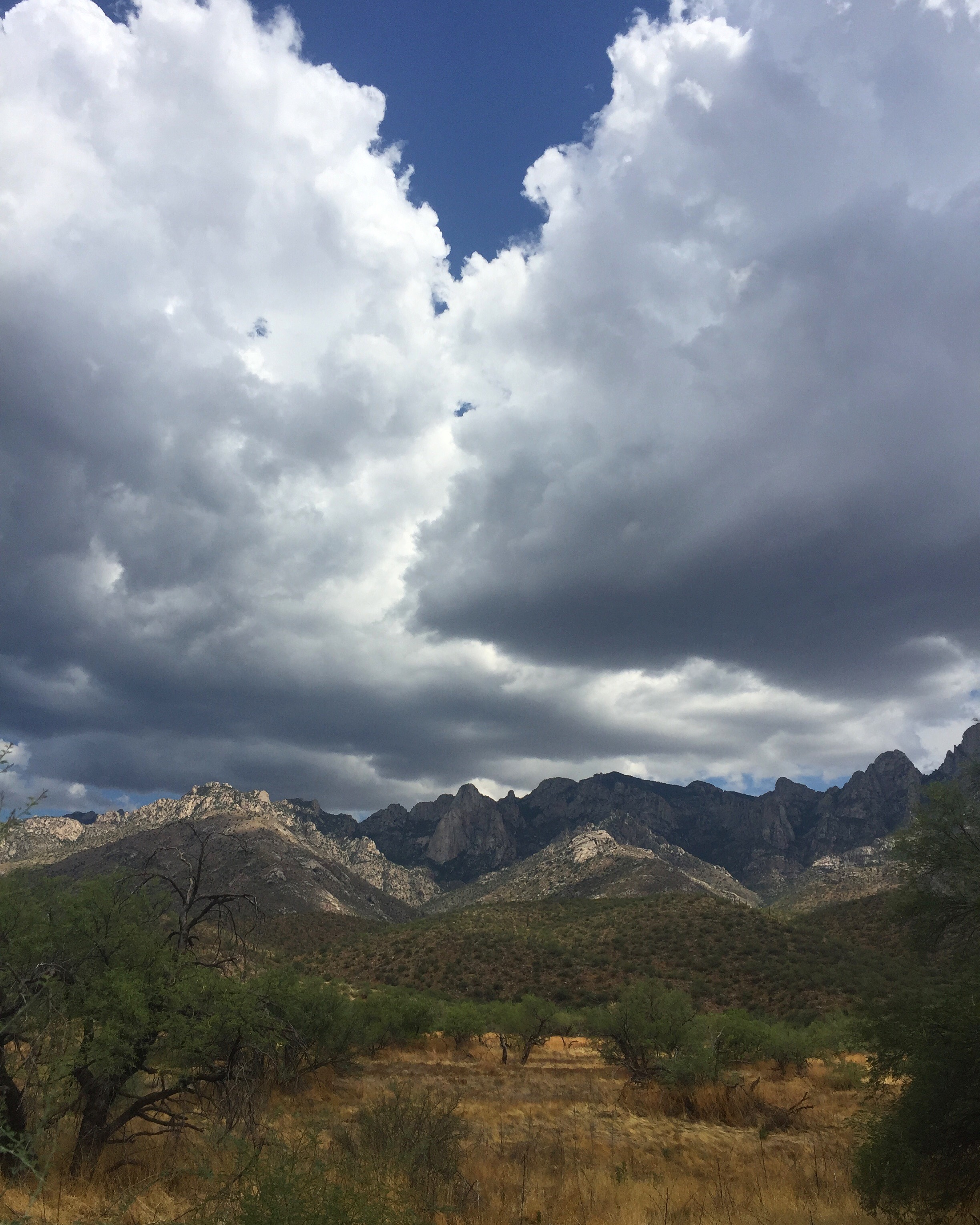
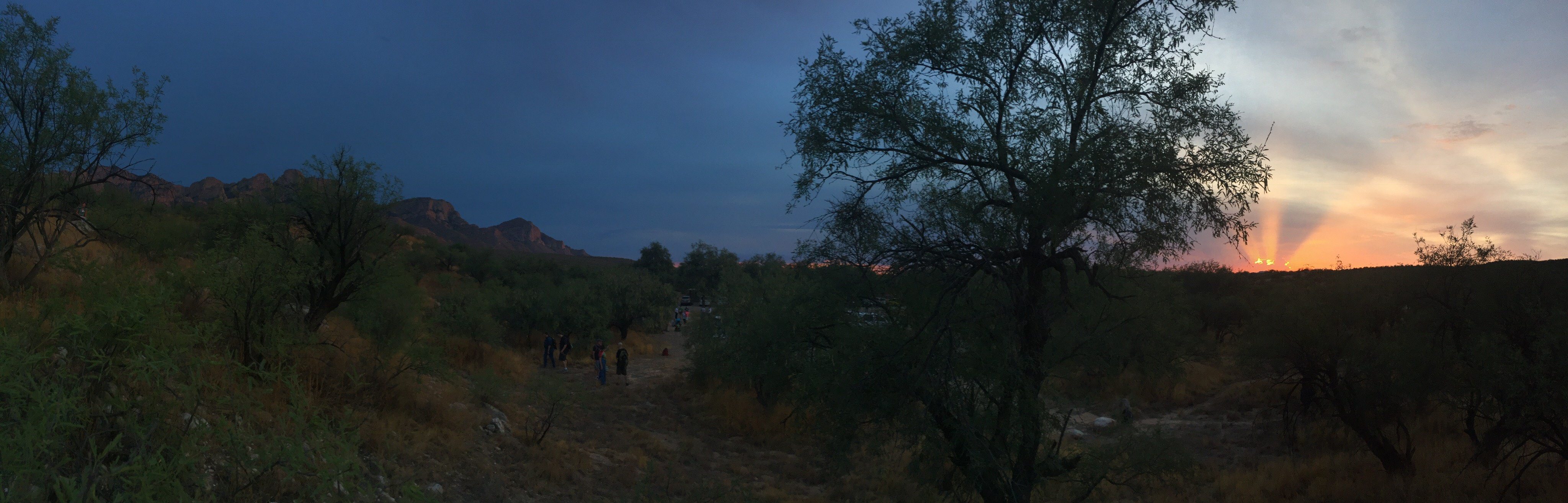
To the north of the Hilton resort is Catalina State Park, the destination for that evening’s blacklighting adventure. I had checked out the park a few days prior, to get a feel for the area, and it’s a striking landscape.
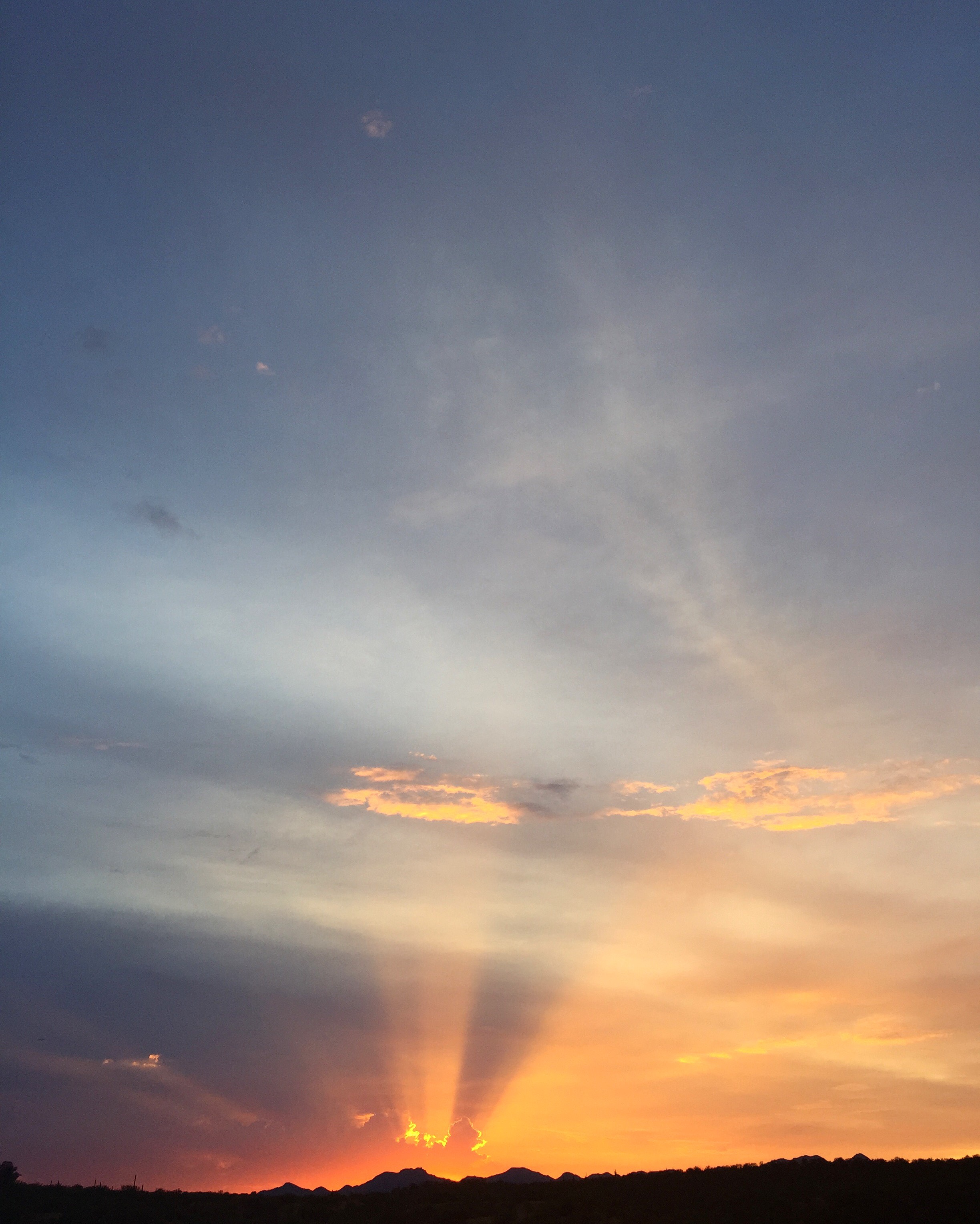
The sun was low in the sky by the time we arrived at the blacklighting site. As the lights and sheets were prepared, many of us wandered, searching the nearby hillsides for anything we could find. I lured out a few tarantulas, and caught several black death-feigning beetles. They were trundling across the ground like tiny tanks — I had never seen so many at once! As it got darker, a UV light revealed dozens and dozens of scorpions hiding in the grass.
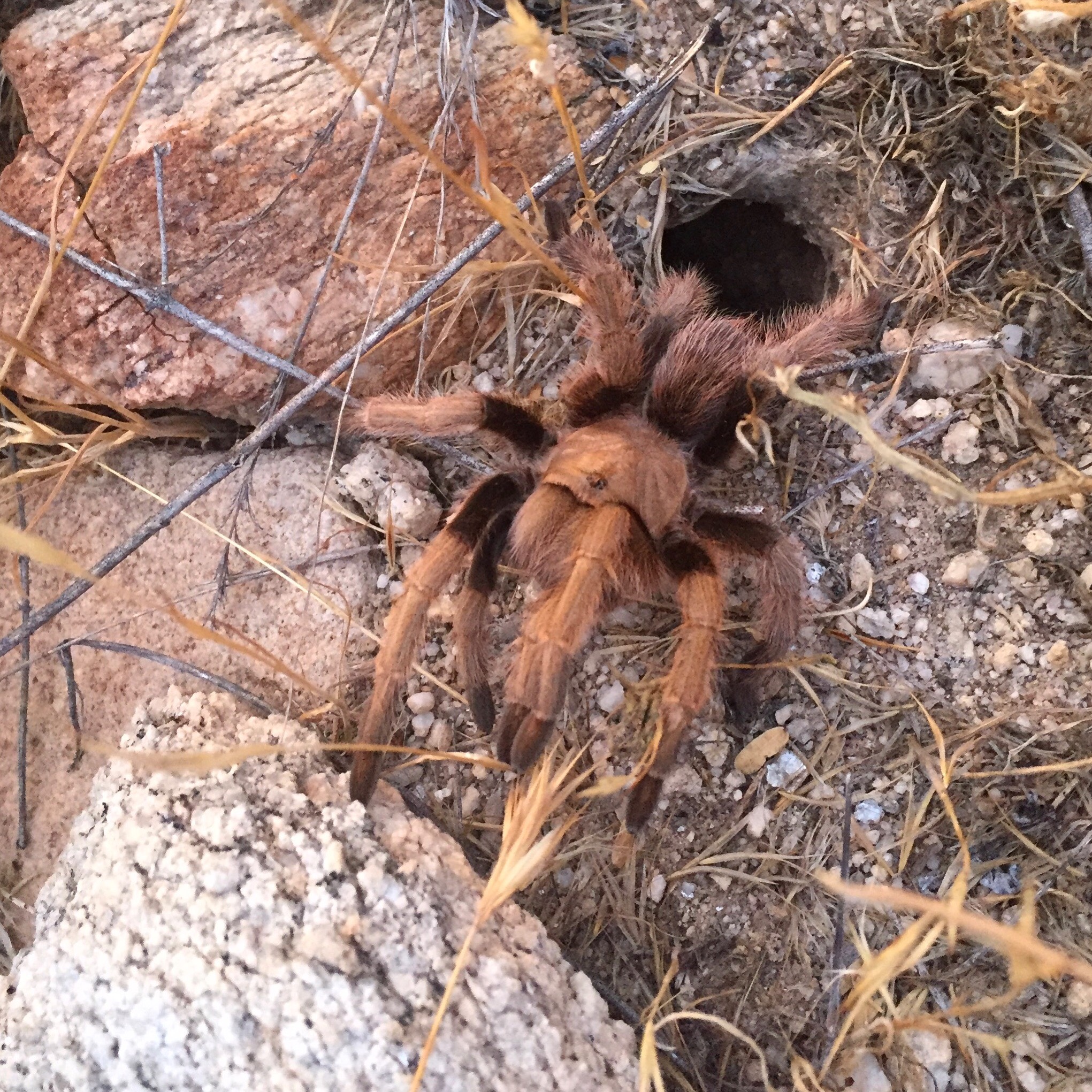
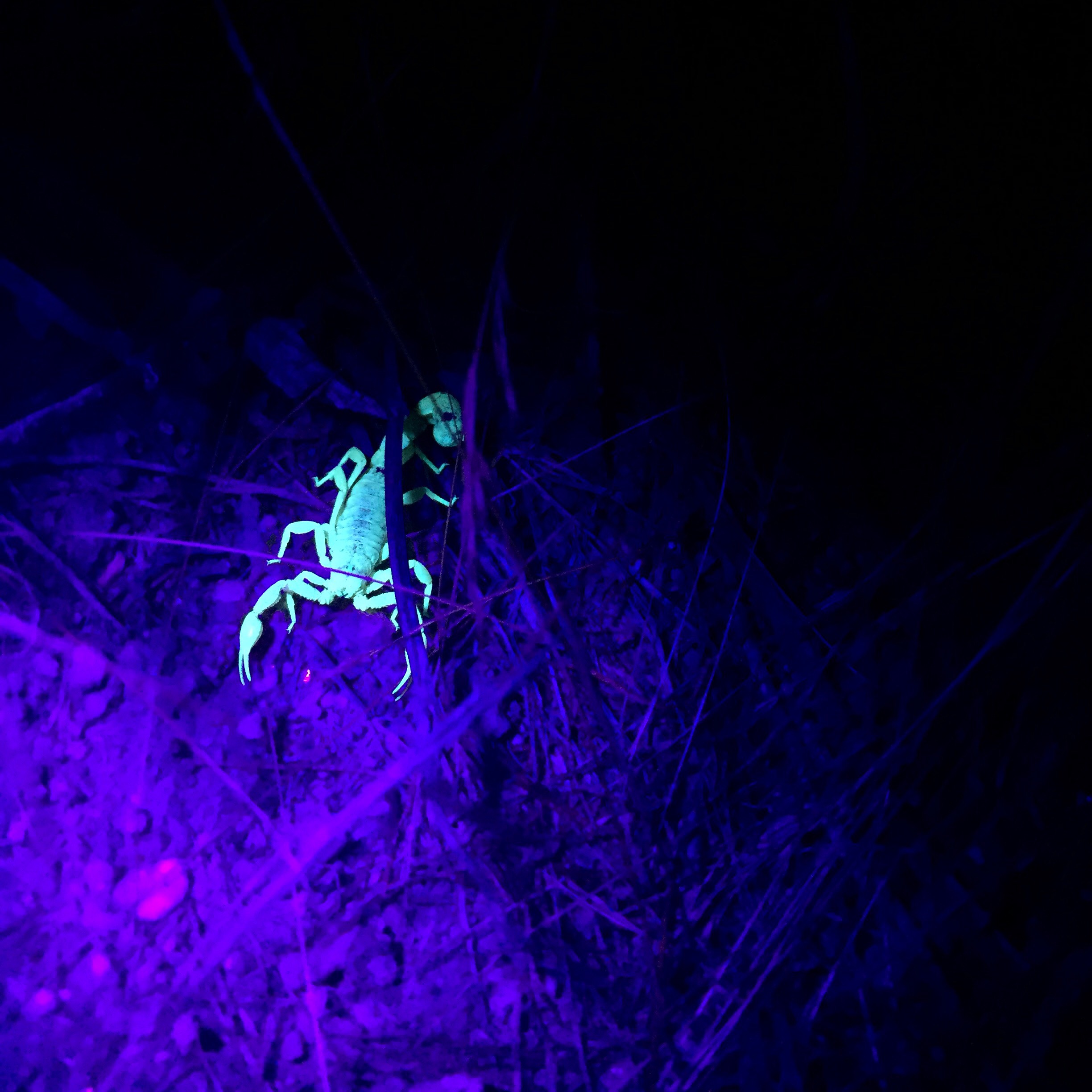
Ventures to a nearby restroom complex at the park led to a whole lot of spider sightings, especially black widows. Some folks even caught a brief glimpse of a couple amblypygids!
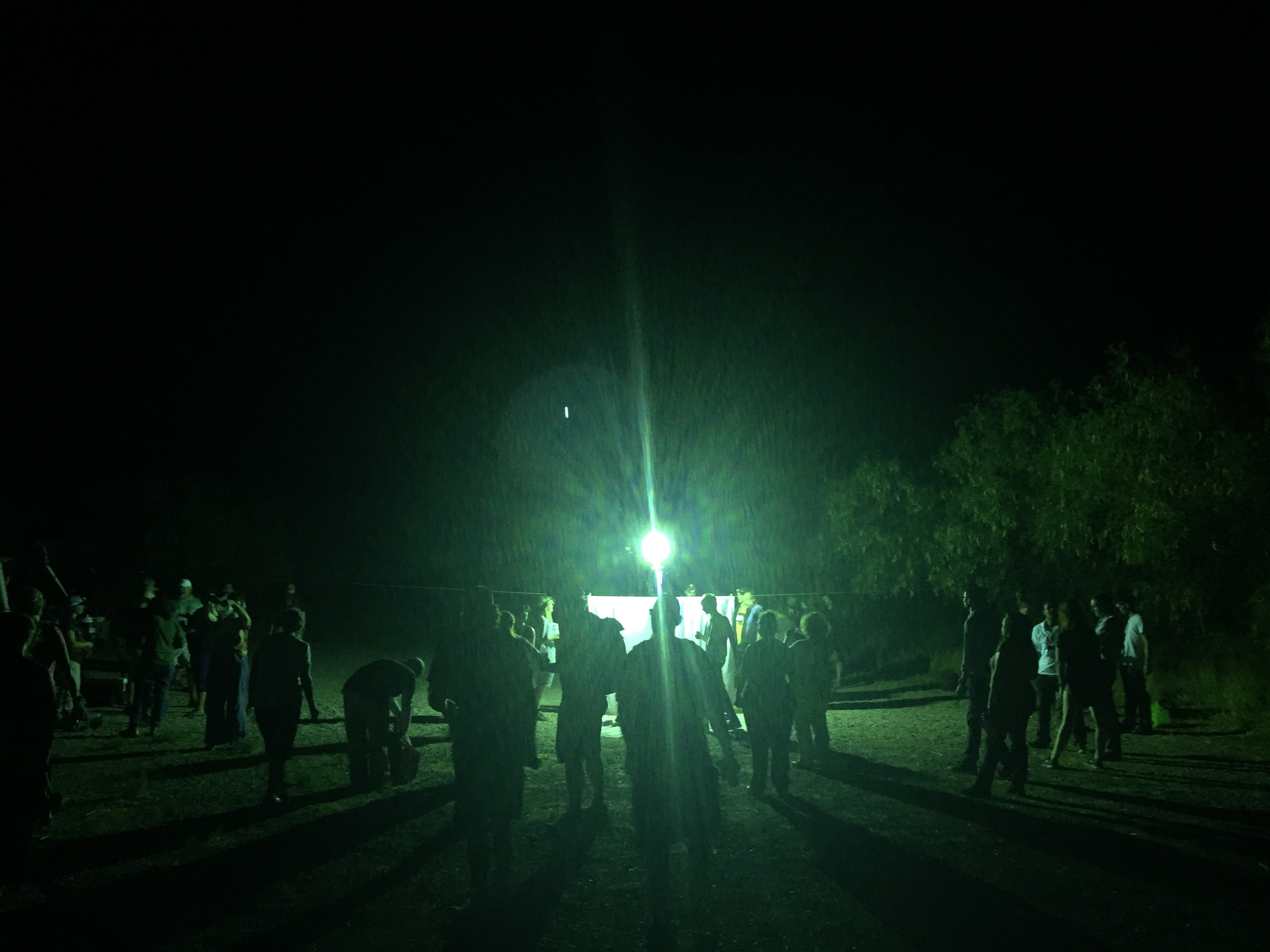
This was a nice, laid-back event, with bug-watching and people-watching-bug-watching. The sheets were absolutely covered in insects; there comes a point, when blacklighting, where you no longer care about the tiny bugs crawling all over your clothes and skin. This was one of those nights!
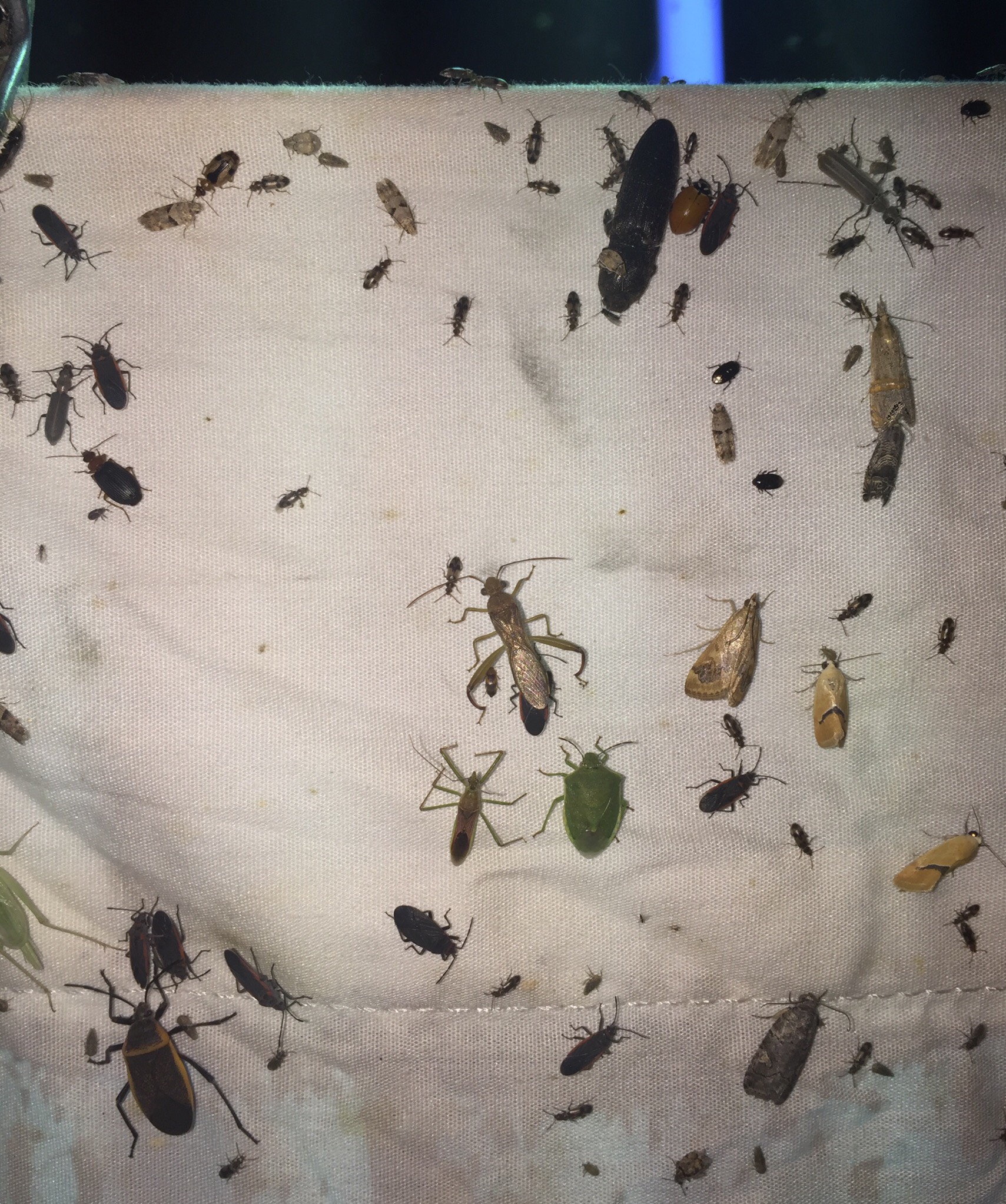
A really amazing diversity of insects here. 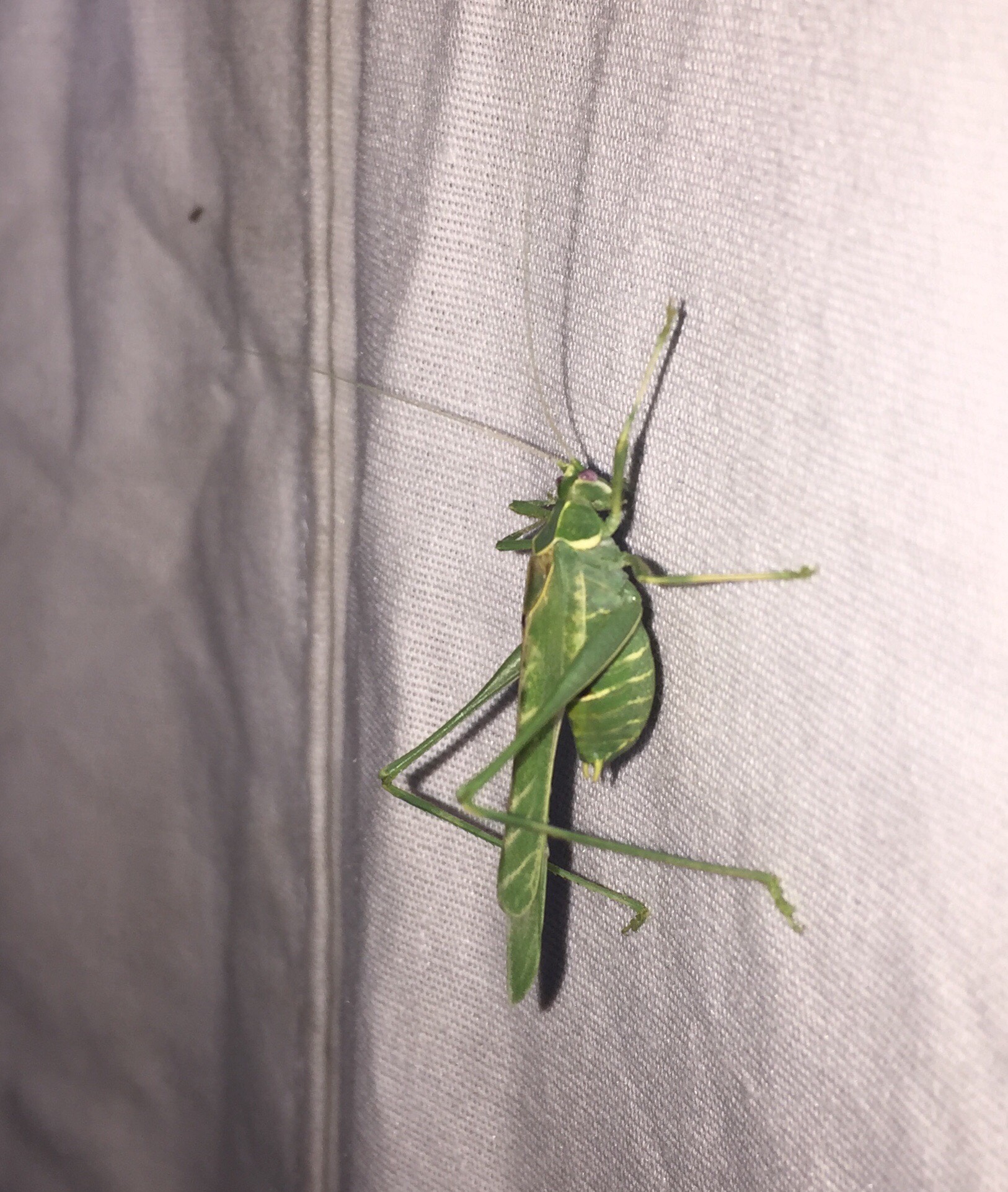
This looks like a creosote bush katydid. 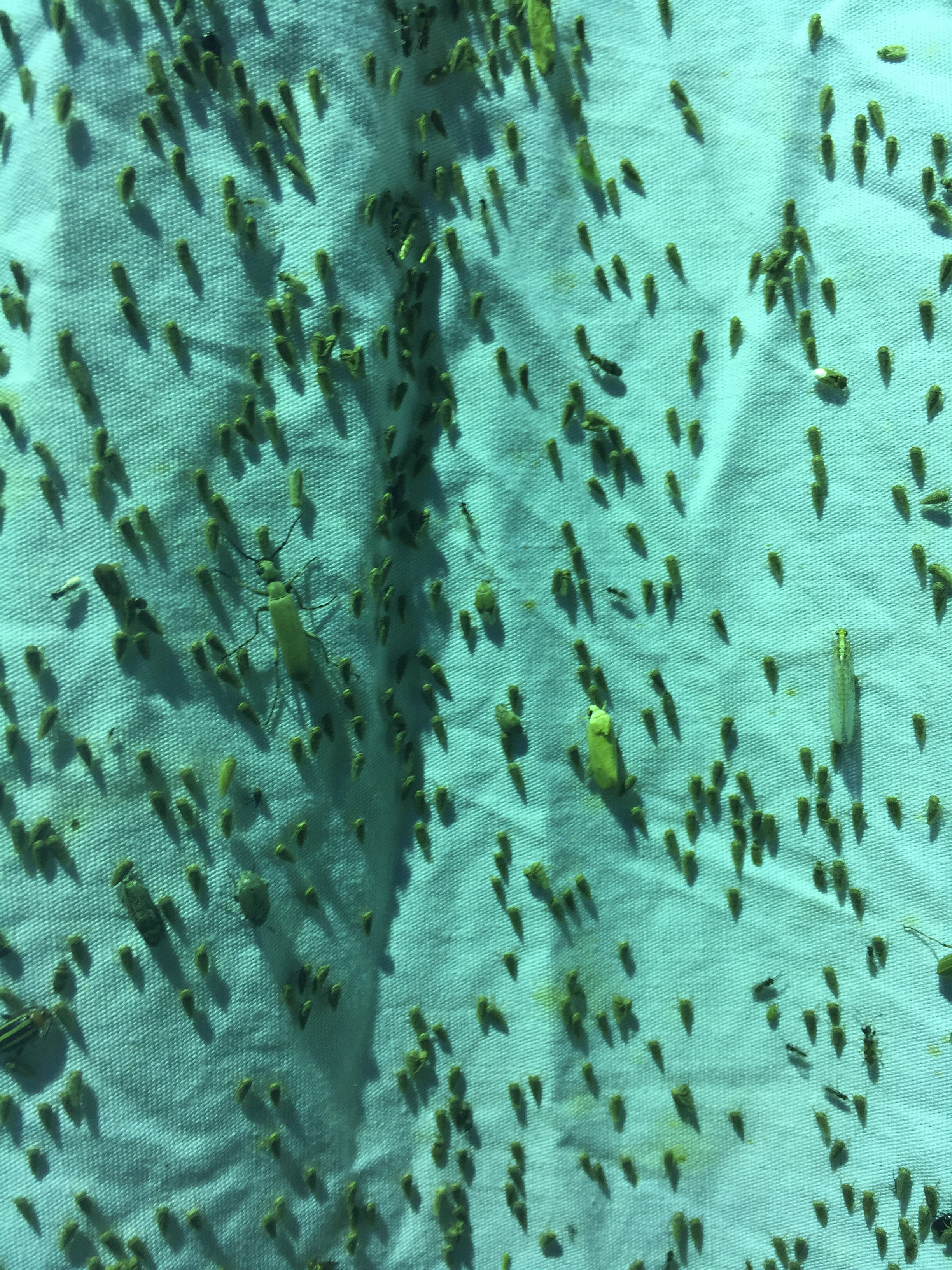
Many of the tiniest insects were leafhoppers. 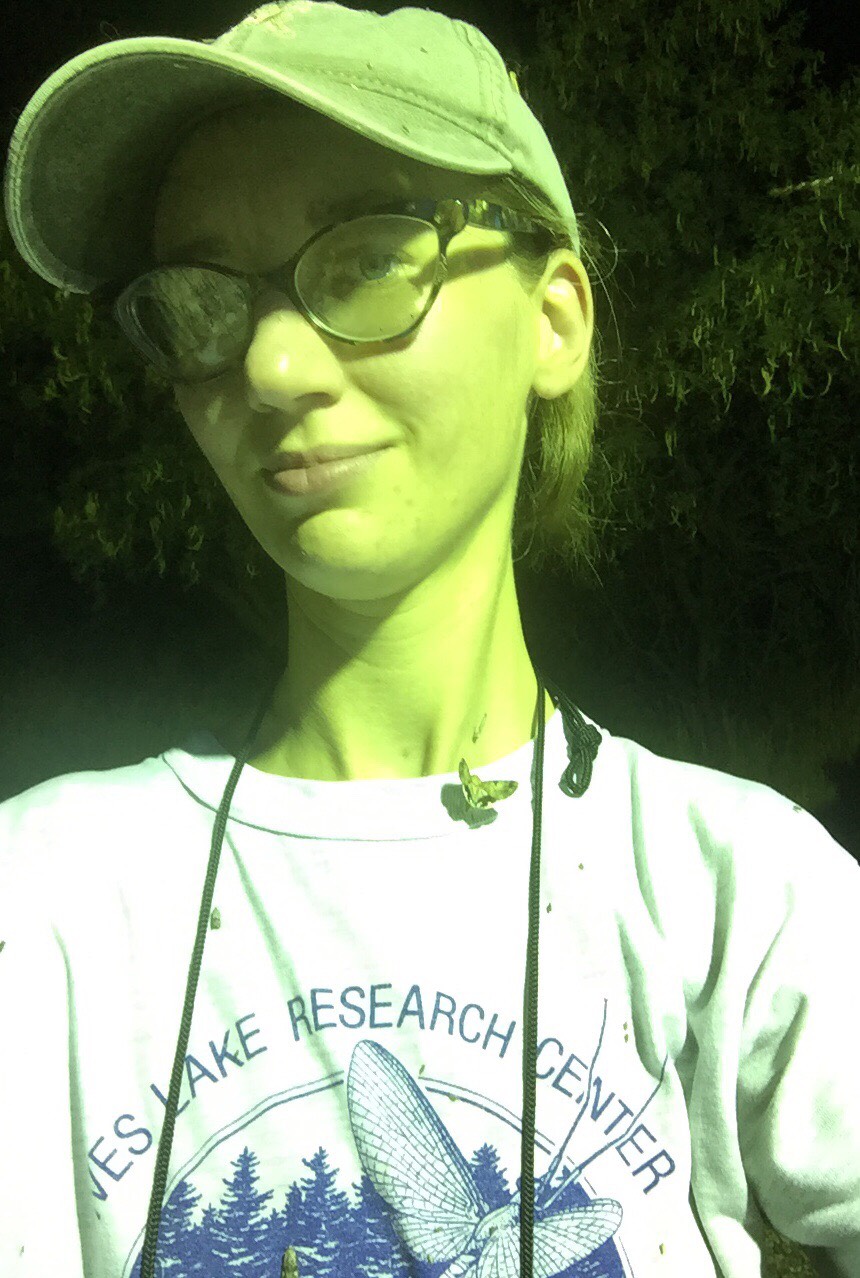
Me and a whole lot of tiny bugs!
Next up, IECC 2019: Conclusion!

 Bug Talk