
Here we are, halfway through April, in the midst of what is being called a “superbloom” — an enormous abundance of wildflowers thanks to a wet winter. With plentiful plants come plentiful insects, not to mention lizards, birds, mammals, and so on. The food chain is an incredible thing, and so much of it relies on plants and the bugs that feed upon them.
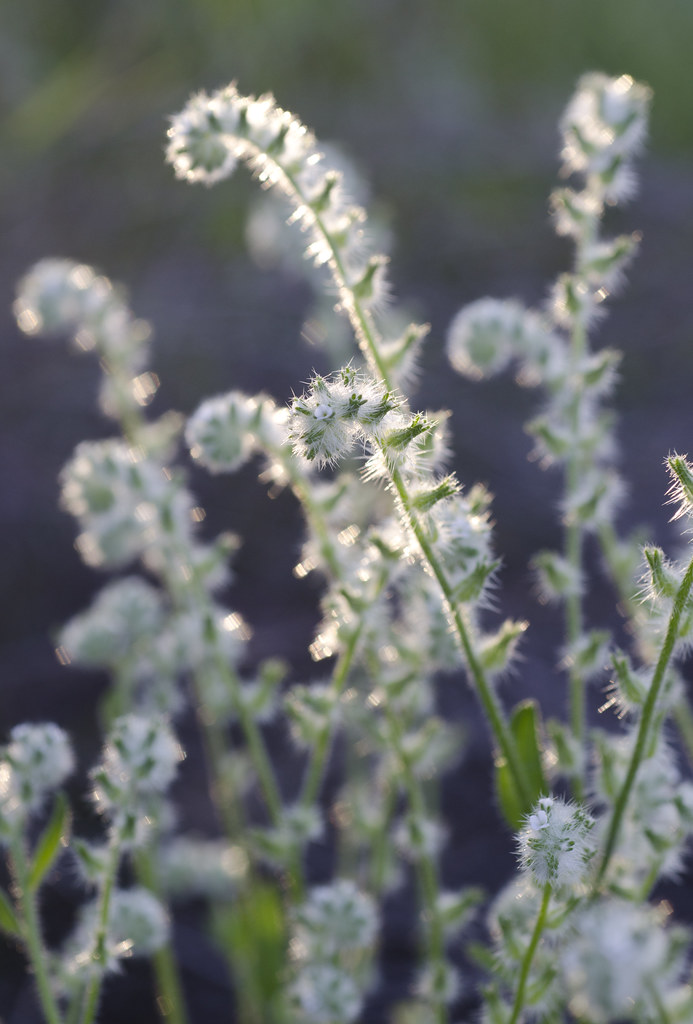
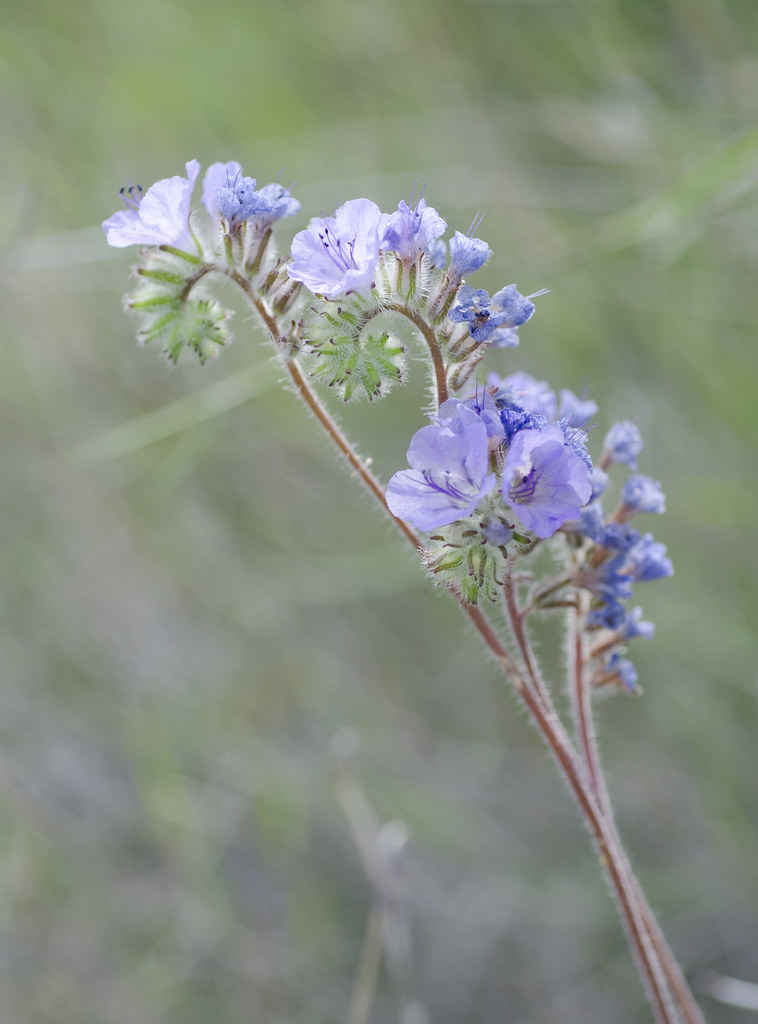
Here is a selection of the wildflowers I’ve photographed and identified so far this spring. It’s always interesting to see which plants attract the most insects — and I’ve noticed it tends to be the desert marigold and brittlebush.



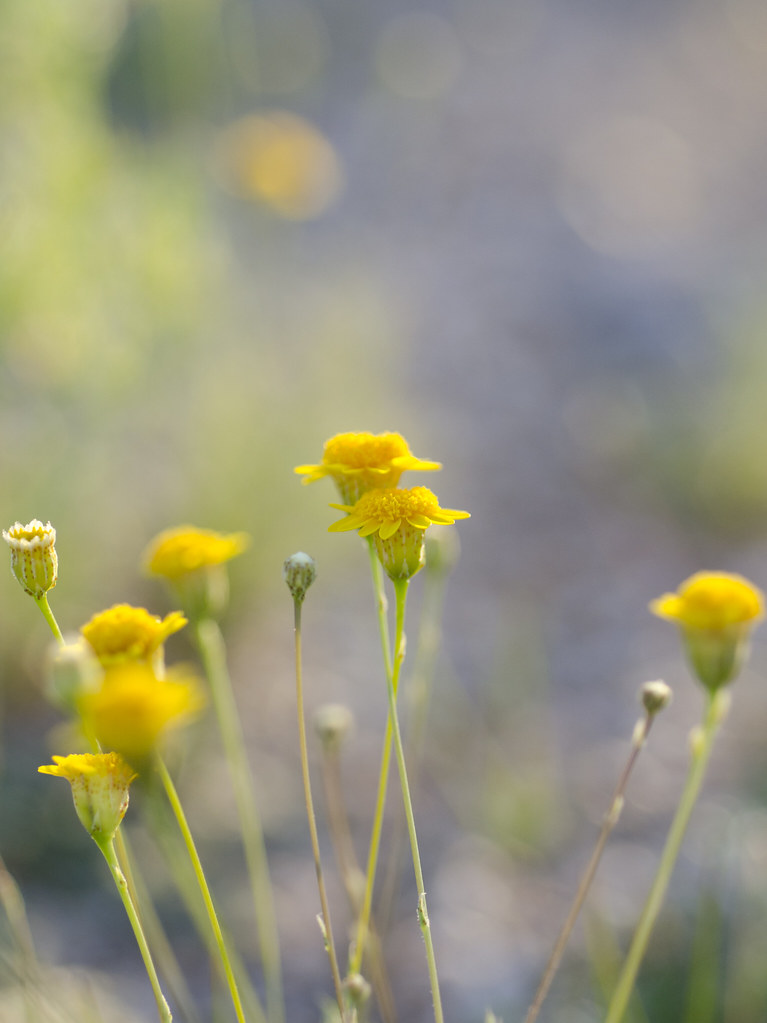

There have been quite a few different species of flies that I’ve seen over the last couple of days. The family Bombyliidae, in particular, has been very prevalent. Some species seem to keep to the desert marigolds, while others vigilantly patrol their small territories.


Another interesting fly I spotted yesterday along the path at SNPE was this big specimen. I’m thinking it is a Tachinid fly but I’m not entirely sure. It had noticeably large feet!

As far as beetles go, I’ve been seeing them more and more. I’ve observed one or two species of Clerid beetles on desert marigolds, as well as a neat little weevil on brittlebush blossoms. Note how both of the beetles pictured below are absolutely covered in pollen!


Grasshoppers have become quite visible, too — both adults and instars. This particular individual has two mites hitching a ride:

I also found another katydid instar on my walk today along SNPE’s Garwood Trail. I’m not quite sure of the species here, but I’m wondering if it could be a young creosote bush katydid.

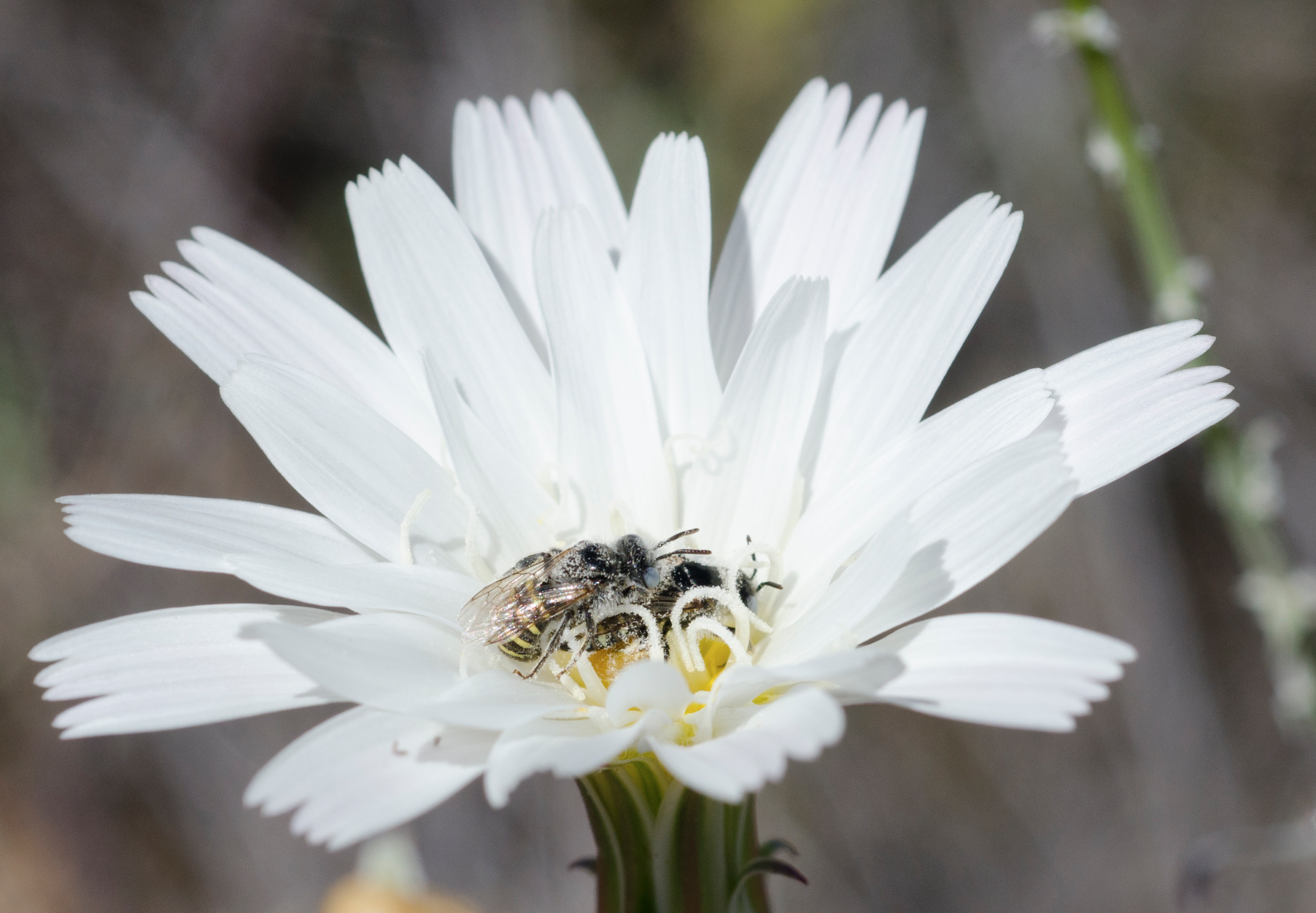
After seeing only honeybees for a few months, I’m finally spotting native bees again. I don’t yet have a photograph of one, but the Valley Carpenter Bees have been visiting the creosote bushes that grow next to our yard, and they are quite impressive! I’ve only seen females so far, and they sound like small airplanes when flying by. I’ve observed a few other species of native bee as well, neither of which I’ve identified:

Perhaps the most abundant insects I’ve seen are butterflies. Today’s walk along the Garwood Trail yielded hundreds and hundreds of them — mostly checkerspots, sulphurs, and whites. Did they let me get close enough to photograph and properly identify them? Of course not! I was, however, able to get some pictures of a mating pair of Margined Whites (Pieris marginalis) and a not-yet-identified skipper.


Lastly, the ground-dwelling spiders have been very visible as of late. There are many burrows in the desert, and a good portion of them belong to spiders. Pictured below are Agelenopsis aperta, a funnel-weaver, Sosippus californicus, our local funnel-weaving wolf spider, and a young Aphonopelma chalcodes, the desert blond tarantula.


 Bug Talk